SPECIALIST ASSURANCE FOR CULTURAL COLLECTIONS
The MNEME AI Decision Review
One live AI decision. Five working days. A defensible way forward.
BOOK A 20-MINUTE DECISION CONVERSATIONExplore the Memory Lab →Not an AI strategy exercise. One decision your team must make.
Bring a proposed or operating use case: a conversational archive, synthetic voice, generated interpretation, AI-assisted restoration, metadata enrichment, semantic search, or a platform decision that changes future machine reuse. MNEME turns the evidence, authority and disclosure questions into a decision record your team can act on.
WHAT YOUR TEAM RECEIVES
What your team receives
FIXED SCOPE
A small engagement with a defined end
45-minute intake. Up to four source documents / approximately 25 pages. One 90-minute stakeholder session with up to six people. Memo within five working days. One readout and one factual-corrections round.
What it does not pretend to replace
The review is not legal advice, a copyright opinion, a formal DPIA, information-security assurance, model evaluation, a dataset-wide audit or a guarantee of universal cultural acceptability. Where specialist advice is needed, the decision memo names the dependency.
EVIDENCE BEFORE INVENTION
Evidence before invention
The MNEME Memory Lab makes the method visible: source before claim, consent before action and audience transparency before release.
Explore the Memory Lab →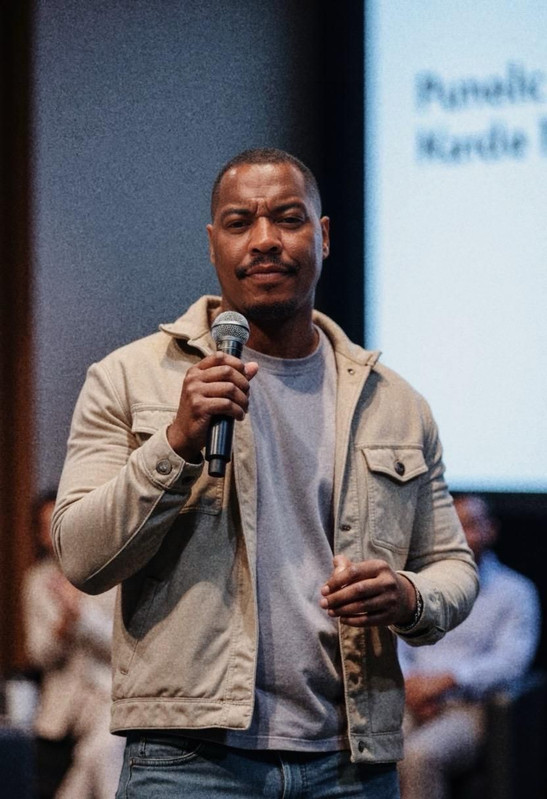
WHY MNEME
Independent judgment, including when the answer is pause.
MNEME is led by Lyndon Amoah, creator of the MNEME Memory Lab and founder of Supreme Beings Archive. The practice combines archival evidence, cultural context, consent and audience transparency to test one live AI decision.
The review is not designed to validate a preferred outcome. It may recommend PROCEED, MODIFY or PAUSE, with the reasons recorded.
SAMPLE OUTPUT · FICTIONAL CASE
What a documented recommendation looks like.
This short fictional excerpt shows the level of specificity in the final memo. It is not a client result.
A museum proposes adding synthetic speech to an oral-history portrait.
Proceed only as a limited pilot after authority has been established. Replace invented first-person speech with clearly labelled narration, record every source and inference, disclose the synthetic treatment at the point of playback, and schedule a review before any wider release.
TRUST & METHOD
What is recorded. What remains a limitation.
What must your team decide next?
A useful first conversation begins with one sentence: “We need to decide this before this date.”
BOOK A 20-MINUTE DECISION CONVERSATION